Clinical Military Counseling Certificate Program

Customized payment plans are available by phone 585-687-8837
Payment Options: Credit Card, PayPal, Venmo, or Pay Later (4 payments)
Rewards: You earn 10% on all of your orders towards your next purchase.
The add to cart button will appear once you select the values above
Specifications
They trust you with their trauma, their families, their futures—are you prepared to serve them well? The invisible wounds of military life don’t always show, but they can devastate. To truly help, you need more than compassion—you need cultural fluency, clinical precision, and mission-ready skills. This 12.5 CE hour certificate program delivers exactly that. Across five intensive modules, you’ll gain the insight and tools to address the mental health, medical, vocational, and spiritual challenges faced by active-duty personnel, veterans, and military families. From trauma and addiction to reintegration and resilience, you’ll be equipped to lead your clients toward lasting change. Dr. Mark A. Stebnicki—professor emeritus, author, and creator of the national CMCC credential—has worked on the front lines of military mental health for over 35 years. As the developer of East Carolina University’s Military and Trauma Counseling Certificate Program and a leading voice in rehabilitation and trauma-informed care, Dr. Stebnicki brings unmatched expertise and authenticity to this training. Dr. Stebnicki’s teaching blends academic rigor with real-world applicability. His holistic approach emphasizes cultural empathy, evidence-based interventions, and the clinician’s own development of resiliency and cultural humility. He doesn’t just prepare you to treat military clients—he trains you to understand them. You’ll walk through five in-depth modules, each serving as a critical pillar of military-competent care: Module I explores Military Cultural Identity and Structure, equipping you with the cultural fluency needed to build trust and therapeutic rapport; Module II examines Mental Health, Substance Use, and Suicide in Military Life, providing tools to address complex trauma and co-occurring disorders; Module III focuses on Chronic Illness, Disability, and Psychosocial Adjustment, highlighting the physical and emotional toll of service; Module IV covers Vocational Rehabilitation and Career Reintegration, emphasizing strategies for supporting veterans through transition; and Module V centers on Building Resilience of Mind, Body, and Spirit, integrating evidence-based practices that promote post-traumatic growth and long-term wellness. This program gives you more than knowledge—it offers transformation. Each module builds your clinical precision and cultural fluency, empowering you to: Treat with confidence: Understand the psychological, medical, spiritual, and vocational issues unique to military life. Engage with empathy: Earn trust, navigate stigma, and build therapeutic rapport with clients who often mistrust civilian systems. Act with impact: Translate clinical insight into real-world results—better assessments, stronger outcomes, and lasting change. Built by the field’s leading authority: Learn from the nationally recognized expert who designed the CMCC and trained thousands of clinicians. Comprehensive and credentialed: This is not a crash course—it’s a full certificate program built for serious professionals who want to specialize in military mental health. Immediate relevance and utility: Every concept, tool, and technique you learn is designed to be implemented immediately in telehealth, clinics, hospitals, or private practice. Identify the unique within-group cultural differences of Army, Navy, Marines, Air Force, National Guard, Coast Guard, Space Force, and Active Reservist. Explain the differences in the assessment, diagnosis, and treatment of military vs. civilian or community mental health and related services. Recognize evidence-based treatment protocols for cultivating optimal mind, body, and spiritual well-being after exposure to combat operational stress/trauma. Identify the unique psychological, emotional, and mental health issues related to active-duty personnel, veterans, veterans with disabilities, and military families. Describe the application of evidence-based mental health treatment services to active-duty personnel, veterans, veterans with disabilities, and their family members. Recognize how to assess, diagnose, and treat mental health conditions in the military vs. civilian culture. Identify the unique medical, physical, psychological, social, emotional, spiritual, vocational, mental health, and cultural issues associated with a variety of chronic illnesses and disabilities among active-duty personnel, veterans, and veterans with disabilities. Explain the application of evidence-based psychosocial treatment services and resources available to active-duty personnel, veterans, veterans with disabilities, and military family members. Recognize the psychosocial adjustment issues that hinder the service member or veteran’s goals of education, career, independence, environmental accessibility and how societal stigma and negative attitude can reduce opportunities for optimal well-being. Identify the psychosocial impact that career transition and reintegration have on veterans and veterans with disabilities and how career development strategies can be facilitated to increase educational and career opportunities. Explain how to utilize and apply career and vocational assessments and perform a transferable skills analysis for those in transition from military to civilian life. Apply career counselling strategies such as career resiliency portfolio, job seeking, interviewing, and other career development skills for a successful transition. Recognize the psychosocial adjustment issues that hinder the veteran and disabled veteran’s goals of education, career, independence, environmental accessibility, and how to counter stigma and negative attitude in the workplace. Identify the psychosocial phases of healing the mind, body, and spirit of active duty within the deployment cycle, veterans, and veterans with disabilities. Explain how to utilize mental health resources for coping and resiliency skills and posttraumatic growth among service personnel and veterans. Apply specific models of resiliency training that cultivate a transformational journey of the mind, body, and spirit. The demand for military-informed clinicians has never been greater—and this program gives you the competence and confidence to meet that call. When you’re ready to turn passion into practice, the Clinical Military Counseling Certificate is your next mission. Add this to your cart to begin learning instantly. This is a non-interactive, self-study program and consists of over 12.5 hours of video instruction, post-tests, and evaluations. From the time of registration, you have six months to access the coursework. Anyone currently working with or seeking to serve military populations - whether in private practice, community clinics, hospital settings, telehealth, or other environments - will benefit. This program is ideal for: If you are an approved professional (click here to view the full list of approved professional types), you will receive the CMCC certificate by completing this course. This is a non-interactive, self-study course. Teaching methods for this course include recorded lectures, videos, a post-test, and a course evaluation. Course access and completion instructions. This course consists of 12.5 continuing education hours of credit. Telehealth Certification Institute, LLC has been approved by NBCC as an Approved Continuing Education Provider, ACEP No, 6693. Programs that do not qualify for NBCC credit are clearly identified. Telehealth Certification Institute, LLC is solely responsible for all aspects of the programs. Telehealth Certification Institute, LLC is recognized by the New York State Education Department's State Board for Mental Health Practitioners as an approved provider of continuing education for Licensed Mental Health Counselors. #MHC-0048. Many MFT licensing boards accept our courses or one of the approvals which we have from professional associations. You can check with your board to determine if your licensing board would accept this course. Telehealth Certification Institute, LLC is recognized by the New York State Education Department's State Board for Mental Health Practitioners as an approved provider of continuing education for licensed marriage and family therapists #MFT-0135, effective May 8, 2025. Telehealth Certification Institute LLC, #1609, is approved as an ACE provider to offer social work continuing education by the Association of Social Work Boards (ASWB) Approved Continuing Education (ACE) program. Regulatory boards are the final authority on courses accepted for continuing education credit. ACE provider approval period: 05/02/2024 – 05/02/2027. Social workers completing this course receive 12.5 clinical continuing education credits. Telehealth Certification Institute, LLC is recognized by the New York State Education Department's State Board for Social Work as an approved provider of continuing education for Licensed Social Workers #SW-0435. Telehealth Certification Institute LLC is approved by the American Psychological Association to sponsor continuing education for psychologists. Telehealth Certification Institute LLC maintains responsibility for this program and its content. Telehealth Certification Institute, LLC is recognized by the New York State Education Department’s State Board for Psychology as an approved provider of continuing education for Licensed Psychologists #PSY-0128. Telehealth Certification Institute, LLC is recognized by the New York State Education Department's State Board for Mental Health Practitioners as an approved provider of continuing education for Licensed Creative Arts Therapists #CAT-0093. This course qualifies for 750 minutes of instructional content as required by many national, state and local licensing boards and professional organizations. Retain your certificate of completion and contact your board or organization for specific filing requirements. This course is a non-interactive, online self-study. Participants may request a printed version of their certificate of completion to be delivered by mail. A shipping/handling fee of $6.95 will be charged per request. Shipping internationally may require an additional charge. Mark A. Stebnicki, Ph.D., LCMHC, DCMHS, CRC, CMCC, is professor emeritus and former coordinator of the Military and Trauma Counseling (MTC) Certificate Program (which he developed in 2015) in the Department of Addictions and Rehabilitation at East Carolina University. He also developed the national Clinical Military Counseling Certificate (CMCC) in 2016, a 12-hour CE program offered nationally through the Telehealth Certificate Institute. Dr. Stebnicki has been a counselor, educator, researcher, and practitioner with over 35 years of experience in the fields of rehabilitation and mental health counseling. He has practiced and published in areas related to stress, traumatic stress, disaster mental health response, and the psychosocial aspects of chronic illness and disability. He has extensive experience working with active-duty military service members, veterans, veterans with disabilities, and military families. Dr. Stebnicki has published 11 professional books, over 40 journal articles, and book chapters and has provided over 120 national and regional presentations. He has served on many statewide and national professional counseling boards. The instructor(s) for this course receive compensation for their services. There are no reported conflicts of interest to disclose. Clinical Military Counseling provides current research and ethical practice guidelines for the assessment, diagnosis, and mental health treatment of active-duty service members, veterans, and military families in a 21st-century multicultural environment. Author Mark Stebnicki discusses contemporary military culture; the medical and psychosocial aspects of military health, including the neuroscience of military stress and trauma; suicide; chronic illnesses and disability; and blast and traumatic brain injuries. In addition, he offers integrative approaches to healing the mind, body, and spirit of service members and veterans dealing with clinical issues, such as spirituality, moral injury, and trauma; complex posttraumatic stress disorder and co-occurring mental health conditions; the stresses of the deployment cycle; and military career transitions. Now available in multiple formats. Note: This book is not included in registration for this course but must be purchased through one of the sites linked below: American Counseling Association Amazon (e-Book): e-book of Clinical Military Counseling: Guidelines for Practice Additional Information about Clinical Military Counseling: Guidelines for Practice: Close Captioning is available for live webinars and recorded video presentations. You can click on the following links to view our policies:Description
Key Takeaways:
Why this certificate course?
Learning Objectives:
Format and Access
Course Details
Availability:
Who Should Attend:
Teaching Methods:
How to Attend:
CE Hours
Credit Hours:
Counselors:
Marriage and Family Therapists:
Social Workers:

Psychologists:

Art Therapists:
Other Professionals:
Instructor
Instructor
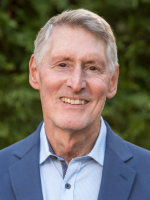
Mark A. Stebnicki, Ph.D., LCMHC, DCMHS, CRC, CMCC
Disclosure Statement:
Additional Resource
Book by the instructor (Mark A. Stebnicki, Ph.D., LCMHC, DCMHS, CRC, CMCC)
Clinical Military Counseling: Guidelines for Practice
"Dr. Mark Stebnicki has done a masterful job of explicating the physical, psychological, social, cultural, demographic, and spiritual factors involved in military counseling. His book educates the reader in all aspects of effective military counseling and points the way to a new integrative paradigm for helping our troops and their families truly come home, heal, and live well."
-Edward Tick, PhD Author, War and the Soul and Warrior's Return
Director Emeritus, Soldier's Heart, Inc.
"This is a comprehensive tactical guide for behavioral health practitioners serving military service members and their families. Dr. Mark Stebnicki brings his unique expertise as a trauma and disaster specialist in addressing current therapeutic challenges, including COVID-19 and the unique military experiences of women and people of color. Clinicians committed to the holistic health of service members will find this to be a relevant, practical, and essential tool kit."
-Raymond Barrett, CEO
Telehealth Certification Institute, LLCAccommodations and Policies
This course was updated on March 17, 2025
Related products


Testimonials
Iveyana Kiara Smith
Jessy Hainbach
Bryant Wilson
Ben Keyser
Mei Chan
Meghan Co, LCSW-C, LICSW