Theoretical Frameworks and Models of Clinical Supervision
Enroll in the Online Self-Study course and complete it at your own pace.
6 CE hours available for behavioral health clinicians upon completion.
Effective supervision demands more than intuition—it requires a strong theoretical foundation. Without clarity on your supervision model, you risk inconsistency, confusion, and ethical missteps that can undermine your supervisees’ growth.
Grounded supervision begins with understanding the models that shape it. This course helps you bridge theory and practice so you can supervise with precision, confidence, and integrity.
Enroll in the 6 CE Online Self-Study for $180
Payment Options are listed at checkout
Lynn Louise Wonders, LPC, CPCS, RPT-S, brings decades of clinical and supervisory experience to this course. Since 2001, she has served clients across the lifespan and, since 2010, has provided clinical supervision, consultation, and CE training. Her extensive teaching background and deep understanding of supervisory theory make her uniquely qualified to guide clinicians through the complex world of supervision models.
In this self-paced, six-hour online course, Lynn combines practical insight with academic grounding to help you define your own supervision approach. Through clear explanations, video case examples, and applied exercises, she walks you through how to integrate, adapt, and apply different supervision models with intention and flexibility.
Topics covered include first-wave and second-wave models, psychotherapy-based approaches (e.g., psychodynamic, CBT, person-centered), the Discrimination Model, the Integrative Developmental Model, competency-based supervision, reflective and process models, the 7-Eyed Model, and supervision for multicultural responsiveness and social justice. You'll also explore how to assess supervisee developmental levels and match your supervision style to support their unique professional growth.
Instructor
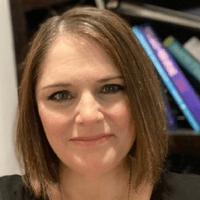
Lynn Louise Wonders, LPC, CPCS, RPT-S,
Lynn Louise Wonders is licensed and certified as a professional counselor and supervisor in the state of Georgia. She has provided clinical services for children, families, couples and individual adults since 2001 and had served as a clinical supervisor, professional consultant and continuing education trainer for clinicians since 2010. She has been published in numerous academic and professional books on the topic of play therapy, is the author of When Parents Are at War: A Child Therapist’s Guide to Navigating High Conflict Divorce & Custody Cases, The Midlife Self-Discovery Workbook, the Miss Piper’s Playroom therapeutic children’s book series and several more children’s books. Ms. Wonders has been providing clinical supervision training and supervision of the supervisor since 2010.
You can find Lynn Louise Wonders here.
Key Takeaways:
- Gain clarity on supervision categories and models: Learn to name, differentiate, and describe a wide range of theoretical frameworks.
- Confidently integrate theory into supervision practice: Discover how to adapt and combine models based on supervisee needs and developmental stages.
- Support supervisee growth with purpose: Apply theoretical knowledge to real-world scenarios, ensuring your supervision is ethical, effective, and personalized.
Why This Course?
- Comprehensive and evidence-based: Covers the broadest range of supervision models with practical applications you can use right away.
- Led by a nationally recognized expert: Learn from Lynn Louise Wonders, a published author, educator, and seasoned supervisor with a rich legacy of training clinicians.
- Trusted by behavioral health professionals: Offered by the Telehealth Certification Institute, a leader in continuing education that puts excellence, growth, and wellness at the center of learning.
Learning Objectives:
- Name 5 categories of supervision models.
- List and describe a minimum of 5 supervision models.
- Differentiate and define first wave supervision models and second wave supervision models.
- Describe the benefits of combining more than one supervision model.
- Select and apply supervision models to match case scenarios about fictional supervisees.
- Describe why it is important for supervisors to be well versed and discerning as to what supervision models they use.
Take this opportunity to sharpen your supervisory lens and better support the professionals you guide. With insight, flexibility, and a deeper sense of purpose, your supervision can be transformative—for both your supervisees and yourself. Add this course to your training toolkit and step into your supervisory role with greater clarity and impact.
Add to cart to begin learning instantly.
This is a non-interactive, self-study course. Instruction consists of 6 hours of video instruction and a post-test.
Select each tab for course details
Availability:
From the time of registration, you have six months to access the coursework.
Who Should Attend:
This course is intended for clinicians who provide behavioral health services.
Teaching Methods:
This is a non-interactive, self-study course. Teaching methods for this course include recorded lectures, videos, a post-test, and a course evaluation.
How to attend:
Directions for completing a course can be found by clicking here.
This program was recorded on June 16, 2023, and reviewed on 3/30/26.
Testimonials
Iveyana Kiara Smith
Jessy Hainbach
Bryant Wilson
Ben Keyser
Mei Chan
Meghan Co, LCSW-C, LICSW